
Giảm giá tốt nhất trong tuần này
Mỗi tuần bạn có thể tìm thấy giảm giá tốt nhất ở đây.

Muống gỗ

Bàn gỗ

Gấu gỗ trang trí

Ghế gỗ

Khỉ gỗ trang trí
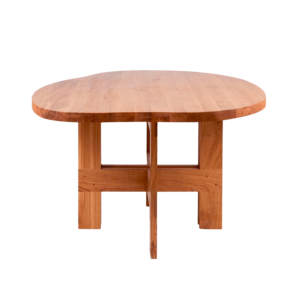
BÀn gỗ tròn
How Mythology Shapes Modern Game Mechanics #28
1. Introduction: The Intersection of Mythology and Modern Game Mechanics
Mythology has long served as a wellspring of inspiration across various forms of storytelling, including modern digital gaming. When we talk about mythological influence in gaming, we refer to the integration of ancient stories, divine characters, and symbolic motifs that enrich gameplay and narrative depth. These elements do more than decorate the game world; they shape player experiences by invoking archetypes and themes rooted in human cultural history.
Ancient myths provide a shared vocabulary that game designers harness to create immersive worlds, evoke emotions, and embed educational layers. For instance, players might encounter quests inspired by heroic journeys or confront deities that symbolize universal human struggles, thus connecting modern entertainment with timeless stories.
Quick Navigation
- The Foundations of Mythology in Game Design
- Symbolism and Visual Language in Modern Games
- Mythological Characters and Roles as Game Mechanics
- Rituals and Offerings: Incorporating Cultural Practices into Gameplay
- Modern Illustrations of Mythology: The Case of Gates of Olympus 1000
- Non-Obvious Dimensions: Psychological and Cultural Impacts of Myth-Inspired Mechanics
- The Evolution and Future of Mythology in Game Mechanics
- Conclusion
2. The Foundations of Mythology in Game Design
a. Mythological themes as narrative frameworks
Mythological themes serve as powerful narrative scaffolds in game design. They provide recognizable story arcs—such as hero quests, trials, and divine interventions—that guide both story development and gameplay mechanics. For example, the hero’s journey, originating from mythologist Joseph Campbell, influences many adventure and role-playing games by framing player progression as a series of trials culminating in transformation.
b. Archetypes and symbols derived from myths and their role in gameplay
Archetypes like the hero, villain, mentor, and trickster are rooted in myth and recur across game characters and narratives. Symbols such as the sword, shield, or sacred relic evoke specific cultural meanings, shaping player expectations and emotional responses. These archetypes and symbols act as cognitive shortcuts, enriching immersion and storytelling depth.
c. The educational value of integrating mythological knowledge into games
Beyond entertainment, mythologically inspired games can serve educational purposes by familiarizing players with ancient cultures, moral lessons, and historical contexts. Interactive storytelling allows players to explore myths actively, fostering critical thinking and cultural appreciation.
3. Symbolism and Visual Language in Modern Games
a. How symbols like the red gem represent vitality and courage, rooted in mythological symbolism
Symbols such as the red gemstone often symbolize life force, passion, or divine power, echoing mythological depictions where gemstones or sacred objects embody essential virtues. For instance, a red gem might be used to signify the heart of a deity or a source of divine energy, tapping into universal symbolism that resonates subconsciously with players.
b. Use of myth-inspired imagery to evoke specific emotions and actions
Visual elements like lightning bolts, sacred temples, or mythic creatures evoke emotions like awe, reverence, or danger. These images tap into collective cultural memory, guiding players’ emotional journeys and influencing gameplay decisions. For example, depicting a thunderbolt can symbolize power and wrath, prompting players to approach certain challenges with caution.
c. Case studies of games utilizing mythological symbols (excluding product specifics)
Many games incorporate mythological symbols to deepen immersion. For instance, the use of a winged figure can immediately suggest divinity or heroism, while serpents may represent chaos or transformation. These symbols are often universally recognized, making them effective tools for storytelling across diverse cultures.
4. Mythological Characters and Roles as Game Mechanics
a. Depicting gods and mythic figures as playable characters or NPCs
Games frequently feature gods or mythic figures as playable characters or non-player characters (NPCs), allowing players to interact with divine powers directly. These characters often embody specific virtues or vices, influencing player choices and narrative outcomes.
b. Mechanics inspired by mythological stories, such as Zeus wielding a thunderbolt in gameplay
Gameplay mechanics often draw directly from myths—think of a character wielding a lightning bolt reminiscent of Zeus, which can be used to unleash powerful attacks or solve puzzles. Such mechanics not only add excitement but also reinforce mythological themes in a tangible way.
c. The impact of mythological character archetypes on player engagement
Archetypes like the wise old mentor or the tragic hero resonate deeply, fostering emotional investment. Recognizing these familiar roles helps players relate to characters and enhances engagement, as they see reflections of universal stories within game narratives.
5. Rituals and Offerings: Incorporating Cultural Practices into Gameplay
a. How offerings, like wine to please gods, translate into in-game rewards or sacrifices
In many myth-inspired games, players perform offerings—such as giving symbolic items or resources—to gain favor or unlock benefits. These rituals mirror real-world cultural practices, creating a sense of authenticity and engagement. For example, sacrificing in-game currency or items can lead to bonus rewards or access to special features.
b. Designing rituals that influence game outcomes or unlock features
Ritualistic sequences—like lighting torches or chanting—can influence game states, unlock hidden content, or trigger story events. Incorporating such mechanics adds layers of strategy and cultural depth, encouraging players to explore and participate in these symbolic acts.
c. Examples of games where ritualistic elements enhance immersion and storytelling
For instance, ritualistic elements are often used during key story moments to heighten tension or significance. These practices create a ceremonial atmosphere, deepening the player’s emotional connection to the narrative, similar to actual cultural rites.
6. Modern Illustrations of Mythology: The Case of Gates of Olympus 1000
a. How this game exemplifies myth-inspired mechanics and symbols
Gates of Olympus 1000 exemplifies the integration of myth-inspired mechanics by employing symbols like divine offerings and gemstones, which are central to its gameplay. These elements evoke the grandeur of mythic deities and their sacred relics, translating ancient symbolism into interactive mechanics.
b. The significance of thematic elements like divine offerings and gemstones in gameplay
Divine offerings in the game symbolize the player’s ability to earn favor from gods, unlocking bonus features or higher rewards. Gemstones represent vitality, power, or divine favor, acting as visual cues that tie gameplay to mythological themes.
c. Analyzing how Gates of Olympus 1000 bridges mythological themes with contemporary mechanics
This game bridges ancient mythos with modern mechanics by transforming symbolic motifs into tangible in-game actions—such as selecting divine offerings to influence spin outcomes—creating an engaging experience rooted in timeless storytelling principles. For more insights into how such mechanics operate, some players question is the ante bet on GoO 1000 a con?—highlighting the importance of understanding underlying mechanics.
7. Non-Obvious Dimensions: Psychological and Cultural Impacts of Myth-Inspired Mechanics
a. How mythological references influence subconscious engagement
Mythological symbols and narratives operate at a subconscious level, tapping into innate human archetypes that foster a sense of familiarity and trust. This subconscious engagement enhances immersion and emotional investment without overt awareness.
b. Cultural respect and adaptation of mythological elements in gaming
Designers increasingly recognize the importance of respectful cultural representation. Incorporating diverse mythologies fosters inclusivity and broadens appeal, but it requires sensitivity to avoid misappropriation or cultural insensitivity.
c. The role of myth in creating a universal language within games
Mythology offers a shared cultural language that transcends borders. When used thoughtfully, it creates a universal storytelling framework that players worldwide can relate to, fostering global community and understanding through interactive media.
8. The Evolution and Future of Mythology in Game Mechanics
a. Trends in integrating diverse mythologies for richer gameplay experiences
Current trends point toward blending mythologies from different cultures, creating multifaceted worlds that appeal to a broad audience. This diversity enriches storytelling and mechanics, offering fresh perspectives and deeper engagement.
b. Potential for new mechanics inspired by lesser-known myths
Exploring lesser-known myths opens avenues for innovative gameplay mechanics, such as unique rituals or divine powers. This not only expands cultural representation but also offers players novel experiences beyond mainstream mythologies.
c. Ethical considerations in depicting mythological themes
Developers must navigate ethical concerns, ensuring respectful and accurate portrayals of mythological elements. Misrepresentation or trivialization can lead to cultural insensitivity, underscoring the importance of cultural consultation and scholarly research.
9. Conclusion: The Enduring Power of Myth in Shaping Modern Interactive Experiences
Mythology continues to be a vital source of inspiration for game mechanics and storytelling, bridging ancient narratives with cutting-edge technology. As demonstrated by modern examples like Gates of Olympus 1000, designers harness mythological symbols, characters, and rituals to create compelling, immersive worlds. This enduring influence not only enriches gameplay but also fosters a universal language that connects players across cultures, ensuring myth’s relevance in the evolving landscape of interactive entertainment.