
Giảm giá tốt nhất trong tuần này
Mỗi tuần bạn có thể tìm thấy giảm giá tốt nhất ở đây.

Muống gỗ

Bàn gỗ

Gấu gỗ trang trí

Ghế gỗ

Khỉ gỗ trang trí
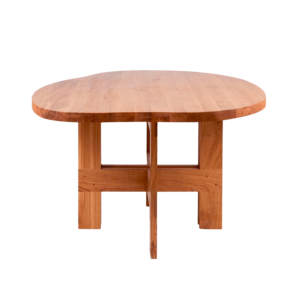
BÀn gỗ tròn
How Ancient Coins Inspire Modern Game Designs 21.11.2025
From the earliest coinage forging in ancient Mesopotamia to the pixel-perfect economies of today’s immersive games, trust remains the invisible thread weaving player engagement and virtual value. Modern game designers do not simply borrow aesthetics—they reconstruct the enduring logic of ancient coins: standardized weight as fairness, symbolic iconography as authority, and controlled scarcity as desirability. This lineage shapes not just how players interact with currency, but how they perceive legitimacy in digital worlds.
The Mythic Weight of Coinage in Game Worlds
Embedding Ancient Lore into Virtual Economies
In ancient civilizations, coins were more than currency—they were storytelling devices. The Athenian owl coin, minted with a sacred owl symbolizing wisdom and protection, conveyed trust through iconography and consistent metal purity. Today, game developers replicate this by embedding mythic lineages into in-game currencies. For example, in Genshin Impact, the “Lesser Mandarin’s Coin” carries a lore of imperial decree and ancestral blessing, enriching player immersion through narrative depth. Similarly, Valorant: Agent Mode uses faction-specific coin designs tied to cultural heritage, deepening loyalty by linking value to identity.
Psychology of Value: Echoes Across Time
The psychological impact of in-game currency draws directly from ancient coin principles. Just as Roman denarii signaled imperial power through standardized weight and image, modern digital coins are designed with visible scarcity—limited editions or rare drops—triggering authentic emotional responses. Studies in behavioral economics show that perceived rarity amplifies player attachment, mirroring how ancient collectors hoarded rare coins as status symbols. This psychological bridge proves that trust in virtual economies is not built on code alone, but on deeply rooted human instincts shaped over millennia.
Scarcity and Authenticity: From Mint to Blockchain
Ancient minting practices enforced scarcity through controlled production and strict oversight—principles now mirrored in blockchain-backed game economies. Just as royal mints guaranteed coin authenticity through traceable metal sources, current games use cryptographic verification to ensure rare digital coins cannot be duplicated, preserving player confidence. Platforms like this parent article explores how such systems echo historical accountability, reinforcing trust through transparency and verifiable provenance.
From Tangible Artifacts to Transparent Systems
While ancient coins relied on physical integrity and communal trust, modern game economies leverage code to replicate this transparency. Blockchain technology, for instance, enables immutable transaction records—akin to royal mint seals preserving authenticity. This shift moves trust from social consensus to verifiable data, deepening player engagement. As noted in the parent article, fair play in games now hinges on systems that mirror historical oversight through digital accountability.
Reimagining Value Through Timeless Blueprints
The enduring legacy of ancient coins lies not in metal or design alone, but in their foundational role in shaping trust through value exchange. Modern game economies reflect this by adapting core principles—standardization, scarcity, narrative depth—into digital wealth models. Players don’t just spend coins; they invest in stories, status, and shared cultural meaning. This continuity confirms that coins, whether struck in bronze or encoded in blockchain, remain powerful symbols of legitimacy across evolving markets.
- Ancient coins established trust through standardization and symbolism, principles mirrored in digital currencies for fairness and engagement.
- Player psychology still responds to scarcity and authenticity—echoes of historical minting practices now reinforced by blockchain transparency.
- Game currencies enriched with mythic lineage, like those in Genshin Impact or Valorant: Agent Mode, deepen immersion by linking value to cultural narrative.
- Trust infrastructure evolves from royal mint oversight to immutable ledgers, preserving accountability in virtual worlds.
Code and craft converge in modern game design to honor a timeless truth: coins—real or virtual—are not just currency, but vessels of trust, legacy, and human connection.
| Core Principle | Ancient Model | Modern Application |
|---|---|---|
| Standardization | Solid weight and consistent iconography ensured trust | Uniform digital coins with verifiable scarcity build credibility |
| Symbolic Authority | Royal emblems inspired loyalty and authority | Mythic narratives and cultural heritage deepen emotional investment |
| Scarcity & Authenticity | Limited mint runs and verified provenance drive value | Blockchain verification prevents duplication and enhances transparency |
The lineage of ancient coins—crafted for trust, imbued with meaning, and guarded by authority—continues to shape digital worlds where players seek authentic, meaningful value. As game designers weave myth, mechanics, and transparency into every transaction, they honor a legacy where coinage was never just metal, but a promise. For deeper insight into how historical trust informs modern design, return to the parent article.