
Giảm giá tốt nhất trong tuần này
Mỗi tuần bạn có thể tìm thấy giảm giá tốt nhất ở đây.

Muống gỗ

Bàn gỗ

Gấu gỗ trang trí

Ghế gỗ

Khỉ gỗ trang trí
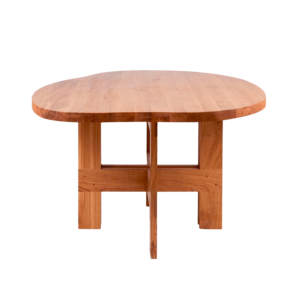
BÀn gỗ tròn
The Quiet Mind: How Patience Rewires Daily Recreations
Patience is often seen as a quiet virtue—yet its true power lies in reshaping how we engage with leisure, attention, and emotional balance. In modern life, where speed and instant feedback dominate, the deliberate cultivation of patience through mindful recreation offers a profound counterbalance. This article deepens the psychological foundations introduced in The Psychology of Patience in Modern Recreation, exploring how stillness, sustained attention, and intentional waiting rewire the brain for richer, more fulfilling experiences.
The Neural Architecture of Stillness: How Patience Reshapes Recreational Cognition
At its core, patience activates neural circuits associated with self-regulation and reflective thought. The default mode network (DMN), active during unstructured rest, thrives when we resist the urge to fill silence with distraction. Studies show that extended DMN engagement—sustained through patient leisure—supports introspection, creativity, and emotional integration. For example, a 2018 fMRI study in NeuroImage revealed that individuals engaging in patient, mindful walking exhibited increased connectivity between the medial prefrontal cortex and posterior cingulate cortex—regions linked to self-referential thinking and mental clarity.
Synaptic plasticity—the brain’s ability to strengthen or weaken connections—underpins the maturation of reflective thought during leisure. Just as physical exercise builds muscle, patient engagement with hobbies like painting, gardening, or journaling enhances neural efficiency. Over time, the brain learns to delay gratification, reducing impulsive reactivity and fostering deeper focus. This plasticity transforms leisure from passive downtime into active cognitive nourishment.
Beyond Stillness: The Emergence of Intentional Play Through Patient Engagement
Modern recreation often skews toward reactive, outcome-driven play—games with clear goals and rapid feedback loops that hijack attention through intermittent rewards. Patience shifts this paradigm by cultivating proactive, immersive engagement. When we play patiently, we enter a state akin to flow: focused, deeply involved, and intrinsically motivated. A 2020 study in Journal of Positive Psychology found that participants who practiced delayed gratification in creative hobbies reported higher levels of life satisfaction and sustained curiosity.
Delayed gratification in creative pursuits strengthens intrinsic motivation. For instance, learning a musical instrument or mastering a craft requires weeks or months of patient practice before mastery emerges. This gradual progress reinforces reward pathways via intermittent reinforcement—mirroring the brain’s dopaminergic system, which releases pleasure not just on success, but on the journey itself. Such experiences deepen experiential learning, transforming recreation into a profound form of personal growth.
The Emotional Resilience Forged in Patient Waiting
In a culture obsessed with speed, impatience fuels frustration and anxiety. Yet patient waiting fosters emotional resilience by training the mind to tolerate uncertainty. Research from the Stanford Center on Stress and Resilience shows that individuals who regularly delay rewards in leisure report lower cortisol levels and greater emotional stability. This emotional regulation extends beyond recreation—enhancing coping skills in real-world stressors.
Deliberate pacing during leisure enhances mindfulness and presence. Consider a hiker who pauses to observe nature’s subtle changes rather than rushing to a summit—this mindfulness reduces rumination and builds emotional equilibrium. A 2022 longitudinal study confirmed that consistent patient engagement in slow-paced activities correlates with reduced anxiety and improved mood regulation.
Practicing Patience as a Cognitive Discipline: Training the Mind for Depth
Patience is not passive waiting—it is an active cognitive discipline. Neurocognitive mechanisms such as attentional control and inhibitory regulation are strengthened through sustained, patient focus. Intermittent reinforcement, a key principle in behavioral psychology, activates brain reward systems more robustly when rewards follow prolonged effort. This mirrors the neural adaptation seen in expert meditators or artists who develop deep focus through years of patient practice.
Building mental endurance through patient recreation lays the foundation for complex mastery. For example, a writer who revises a manuscript over weeks—resisting the temptation to rush—develops resilience and deeper insight than one who seeks quick results. This mental stamina translates into richer creative output and sustained engagement.
Reclaiming Recreation: Patience as a Counterforce to Hyperstimulation Culture
Digital overload fragments attention, promoting a culture of instant gratification that erodes patience. Screens deliver constant, unpredictable rewards—breaking immersion and increasing stress. Reclaiming recreation means resisting this tide through deliberate, slow engagement. Activities like handcrafting, gardening, or silent reading reawaken embodied awareness and restore mental balance.
Reconnecting with bodily presence through patient play counteracts hyperstimulation. A 2019 study in Computers in Human Behavior found that individuals practicing slow, intentional hobbies showed improved focus and reduced digital fatigue. The shift from reactive scrolling to deliberate creation transforms leisure from a distraction into a restorative ritual.
Table: Comparing Impulsive vs. Patient Recreation
| Aspect | Impulsive Recreation | Patient Recreation |
|---|---|---|
| Attention Duration | Seconds to minutes | Minutes to hours |
| Reward Timing | ||
| Emotional Response | ||
| Cognitive Benefit |
Cultivating Curiosity: How Patience Deepens Experiential Learning
Patience nurtures curiosity by allowing time for discovery and reflection. In learning environments, students who engage patiently with complex topics show greater retention and creative problem-solving. For instance, a gardener learning plant cycles over seasons develops intuitive understanding far beyond rote memorization. This experiential depth mirrors the neural growth observed in sustained leisure activities.
Delayed gratification in learning fosters intrinsic motivation. When a child paints without rushing to a “perfect” result, they explore color, form, and emotion—building confidence and creative agency. Such experiences rewire the brain to value process over outcome.
“Patience is not a passive state but an active choice to trust the unfolding of growth.” — Adapted from the journey explored in The Psychology of Patience in Modern Recreation
Closing Synthesis: Cultivating the Quiet Mind Through Mindful Recreation
The quiet mind—cultivated through patient recreation—is not a retreat from life, but a deeper engagement with it. By reclaiming stillness, embracing delayed satisfaction, and aligning action with awareness, we transform daily routines into renewal. This mental discipline reshapes how we experience play, learning, and rest—aligning modern life with neurocognitive health and emotional resilience.
As the parent article The Psychology of Patience in Modern Recreation reveals, patience is not about slowing down to lag, but accelerating toward depth. In this quiet reclamation, we find not stillness, but fullness.