Giảm giá tốt nhất trong tuần này
Mỗi tuần bạn có thể tìm thấy giảm giá tốt nhất ở đây.

Muống gỗ

Bàn gỗ

Gấu gỗ trang trí

Ghế gỗ

Khỉ gỗ trang trí
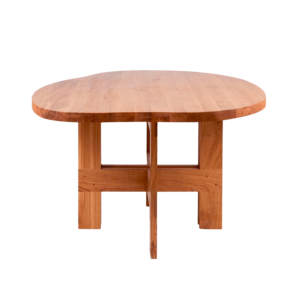
BÀn gỗ tròn
Gates as Bridges Between Worlds
Gates have long transcended their physical role as mere entrances—they stand as symbolic thresholds, linking the human realm to divine or mythic dimensions. In myth and culture, these portals embody transformation, where identity shifts, power is affirmed, and fate is rewritten. From the golden gates of Olympus guarded by celestial authority to the quiet inner gates of self-realization, they shape how we understand transcendence.
The Concept of Gates as Symbolic Thresholds
Gates serve as **symbolic thresholds**, marking transitions between what is known and unknown, mortal and divine. In classical mythology, they are not passive barriers but active portals—thresholds where destiny unfolds and power is negotiated. The **Gates of Olympus**, for instance, stand as sacred entry points, accessible only to those deemed worthy by divine law, reinforcing the idea of gates as divine arbiters of access.
Gates in Classical Mythology: Divine Entry Points
In ancient narratives, gates are charged with **sacred authority**. The Gates of Olympus are guarded by gods whose presence defines cosmic order, embodying both protection and exclusion. Lightning, a recurring motif, acts as a **celestial signal**—a visual and symbolic bridge between earth and sky. Zeus, king of gods yet bound by cosmic law, exemplifies the duality of gatekeepers: powerful yet constrained, commanding yet accountable.
| Mythic Gate Aspect | Symbolic Meaning |
|---|---|
| Sacred Entry | Gate of Olympus—divine access reserved by authority |
| Divine Guardianship | Lightning signals intervention, reinforcing sacred power |
| Bound and Unbound | Zeus’s rule straddles mortal law and divine freedom |
Wealth, Power, and the Yellow Gem Metaphor
Yellow gems—often associated with sunlight—represent **life-giving force and material abundance**. In myth, such gems symbolize not just earthly wealth but access to higher realms of influence and judgment. The gate, then, becomes a **mediator** between earthly prosperity and celestial favor, embodying the idea that true power transcends mere riches.
The metaphor of the yellow gem reinforces how **material wealth functions as a bridge**—a conduit through which mortal ambition touches divine order. Just as sunlight nourishes the earth, wealth illuminated by mythic meaning can elevate status and judgment alike.
Lightning as Divine Judgment and Architectural Symbol
Lightning strikes are more than natural events—they are **sudden gate activations**, marking divine presence or wrath. In architectural symbolism, they manifest cosmic order: a strike may seal a sacred threshold or shatter imbalance. This interplay turns mythic tales into tangible architectural language, where gates are not static but active participants in fate’s unfolding.
Zeus’s Myths: Affair, Authority, and the Gate of Desire
Zeus’s legendary affairs—with mortals and goddesses alike—highlight the gate’s role as a site of **tension**: between law and passion, order and chaos. These transgressions reveal how **gates embody dynamic power**, shaped by choice and consequence. The gate becomes a stage where divine authority clashes with human desire, reinforcing its role as a living boundary.
- Marital binding to Hera contrasts with Zeus’s divine wanderings, illustrating gate tension
- Each transgression redefines access and consequence
- Gates are not walls, but arenas of transformation
Gates of Olympus 1000: A Modern Bridge Between Myth and Meaning
Today, the **Gates of Olympus 1000** stand as a powerful modern archetype. This monument fuses ancient symbolism—yellow gem motifs, lightning designs, and divine imagery—with contemporary design, channeling timeless archetypal energy. Like its mythic predecessor, it invites reflection on how physical spaces shape cultural memory and personal meaning.
Integrating the **lightning multipliers** motif, the Gates of Olympus 1000 channel celestial power into visible form—where mythic bronze meets modern craftsmanship. This synthesis invites visitors to experience transcendence not as abstract concept, but as embodied passage through symbolic thresholds.
Non-Obvious Depths: Gates as Psychological and Cultural Gateways
Beyond the physical, gates are **internal thresholds**—moments of personal transformation and self-realization. Across global mythology, the gate archetype symbolizes rebirth and wisdom. From the Egyptian *Tomb of the Gates* to Celtic *thin places*, these portals guide individuals through rites of passage and inner awakening.
“Gates are not just boundaries—they are the breath between what was and what might be.” — timeless wisdom echoed in myth and modern design
Conclusion: Gates as Living Channels of Meaning
Gates, whether ancient Olympus or modern monuments like the Gates of Olympus 1000, are more than architecture. They are **living bridges**—connecting the mortal and divine, the known and unknown, past and present. Through symbolic threshold, material wealth, and mythic lightning, they shape how we understand identity, power, and transcendence. As you walk through any gate, remember: you pass not just through wood or stone, but through a portal to deeper meaning.
| Section | ||
|---|---|---|
| Table of Contents | 1. Gates as Thresholds | |
| 2. Classical Mythology | Gates in Classical Mythology | |
| 3. The Yellow Gem Metaphor | Wealth, Power, and Light | |
| 4. Lightning as Judgment | Lightning as Divine Judgment | |
| 5. Zeus’s Gate of Desire | Zeus’s Myths | |
| 6. Gates of Olympus 1000 | Gates of Olympus 1000 | |
| 7. Psychological Gates | Non-Obvious Depths |